Behaviour

Subject Leads

Behaviour at Bidston Village
-
Our Behaviour Lead, Mr Rosser, works across the school, supporting children from Sunflowers (2-year-olds) right through to Year 6. He is passionate about helping every child feel safe, happy, valued, and ready to learn in a calm and supportive environment.
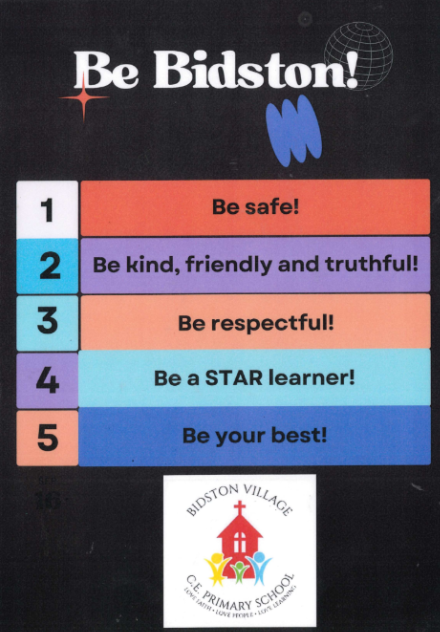
He aims to make positive behaviour and personal growth an encouraging, restorative journey, using consistent expectations, positive praise, and clear 'Be Bidston' values. Support and guidance are carefully structured to meet the individual needs of each child, ensuring every pupil is empowered to make positive choices, build self-esteem, and reach their full potential.
From learning basic social skills, kindness, and sharing in Early Years to developing respect, resilience, and STAR learner habits in Key Stage 2, Mr Rosser works alongside all staff and parents to create a consistent, safe, and positive environment for all children.
-
Our behaviour policy is designed to:
Create a calm, safe and orderly learning environment so every child can achieve their full potential.
Promote positive relationships built on mutual respect and trust between staff, children and families.
Teach children how to make responsible choices, manage their emotions and repair relationships when things go wrong.
Reflect and reinforce our Christian values and our golden rule: “Treat other people the way you expect to be treated.”
We expect all members of the Bidston Village family to model the values of love, forgiveness, friendship and perseverance in their words and actions.
-
How behaviour is promoted in school
Our practice combines clear expectations, teaching of social and emotional skills, and consistent routines:
Clear expectations: Each class follows age‑appropriate charters and visual reminders of expected behaviours (listening, kindness, cooperation, respect).
Positive reinforcement: We use praise, celebration assemblies, certificates and reward systems to recognise effort, kindness and resilience.
Restorative approaches: When incidents occur, staff support children to reflect, apologise and repair harm so relationships are restored and learning can continue.
Social, emotional and mental health support: We teach PSHE and nurture skills explicitly and provide bespoke support for children who need it through our inclusion bases, pastoral staff and external partners.
Risk‑aware environments: Our large field, forest school area and outdoor provision are used to develop teamwork, independence and positive attitudes to challenge.
Behaviour routines and classroom practice
Consistent adult language and expectations across school so children know what to expect.
Structured transitions and clear routines (start of day, break/lunch, moving between lessons) to reduce anxiety and support concentration.
Differentiated strategies to support individual needs, especially for children with SEND, trauma or additional vulnerabilities.
Regular communication with parents and carers about positive progress and any emerging concerns.
Support and sanctions
We aim to repair and educate rather than punish, but we do have clear consequences when expectations are not met:
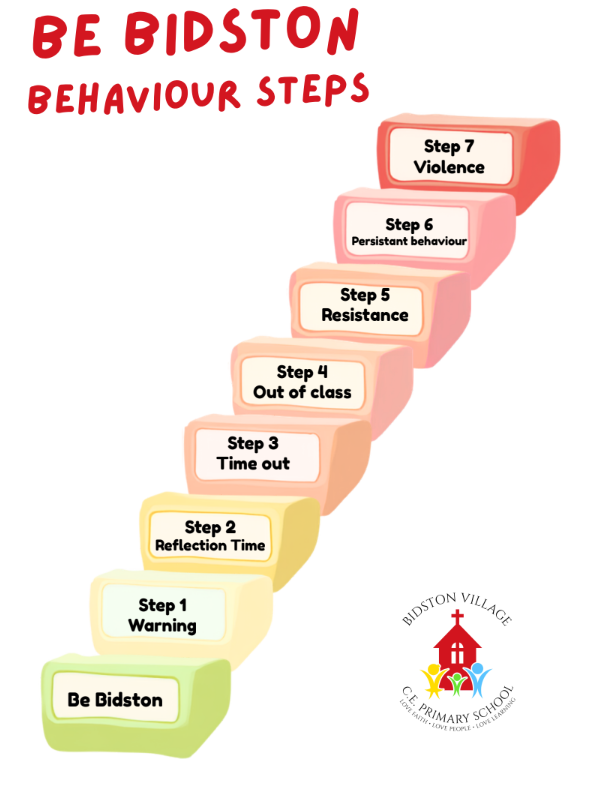
Early intervention: Friendly reminders, private conversations and reflective time with staff.
Escalated responses: Time out, restorative conferencing, behaviour plans or targeted interventions where required.
Inclusion and protection: Children whose behaviour puts themselves or others at risk will be kept safe and supported; serious concerns are handled in line with our safeguarding procedures.
Recording and monitoring: Incidents are logged and monitored so patterns are identified and appropriate support is put in place.
Where necessary, we work closely with families and external agencies to co‑produce behaviour or support plans that enable long‑term success.
Working with parents and carers
We believe strong home–school partnerships are essential. We will:
Inform you promptly about concerns and successes.
Invite you to meetings to co‑create support plans.
Share practical strategies you can use at home to reinforce school expectations.
Provide information about our behaviour policy, restorative approaches and how we support children with additional needs.
-
At Bidston Village Primary School, through our positive and proactive behaviour curriculum, we enable children to gain the knowledge, social skills, and self-discipline they need to succeed both in the classroom and in later life. We aim to foster polite, resilient, and considerate pupils who value the importance of respect, kindness, and personal responsibility.
Planned learning and consistent routines progressively build on core social skills and learning habits, supporting children in making positive choices and regulating their actions. We ensure that our behaviour policies and practices are monitored, reviewed, and embedded regularly across all key stages.
Senior leaders and the Behaviour Lead regularly monitor the school culture and environment, providing ongoing support and guidance to staff to ensure a calm, safe, and fair approach for every child.
The school works closely with parents, carers, and external support agencies to ensure every pupil receives the individual guidance and care they need to thrive. Bidston Village offers a nurturing environment with clear 'Be Bidston' values, rewarding positive choices and helping students develop into honest, respectful, and proud members of our school community.
-
"I love getting Dojo points when I'm a STAR learner! Following the 'Be Bidston' rules makes our classroom really calm so everyone can concentrate on their work." — Year 2 Pupil
"When things go wrong or people disagree, the teachers always listen to both sides and help us talk through how to fix it properly. It makes school feel safe and friendly." — Year 5 Pupil
"The rewards like the 50 Reward Club and Headteacher Awards make you want to try your best every day and show kindness to everyone on the playground." — Year 4 Pupil
Risk assessments